The Necessity of Vigilance in Confronting the Zionist Regime’s Deception

Strategic Council Online – Opinion: The Zionist regime, which enjoyed the comprehensive support of the United States in its recent aggression against Iran, initially believed that with the surprise in the early days, the war would end quickly and the Islamic Republic of Iran would be defeated. However, contrary to the calculations of the regime and the White House, Iran immediately seized the initiative and, in response to the attacks and aggression of the Zionist regime and in self-defense, inflicted irreparable blows on this regime. As a result, the regime was ultimately scrambling to stop the attacks.

Hamid Khoshayand – Regional Affairs Expert

Regarding the cessation of the war between the Islamic Republic of Iran and the Zionist regime, there are noteworthy points, two of which are mentioned below:
First, it is a particular assumption that any war ends when one of the parties is defeated or emerges victorious. Without the realization of definite defeat or victory, it is natural that the war does not end. The imposed war by the Zionist regime against the Islamic Republic of Iran is no exception to this rule.
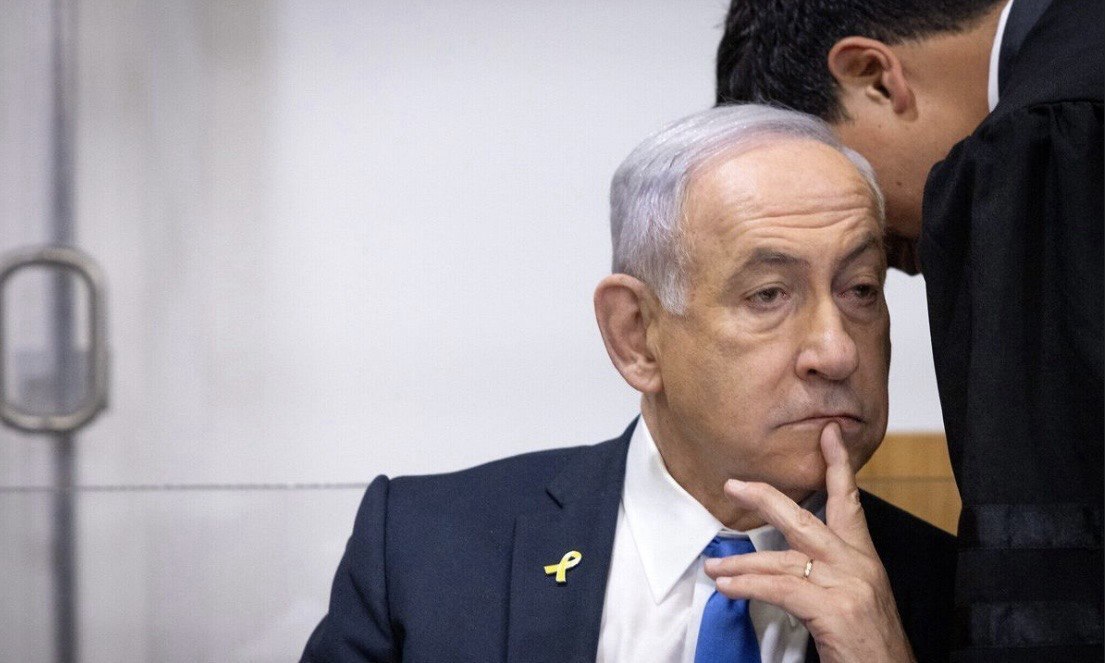
Although Netanyahu tries in his statements to portray himself as the victor of the 12-day war, the outcome of the war was determined not by the statements of Zionist and American officials, but fundamentally by the situation on the ground and the change in the balance of forces – in both cases, the scale currently tips in Iran’s favor. According to statements by former and current officials of the Zionist regime in the final days of the war, the regime, despite American support, had no strength left to continue the war.
The Islamic Republic of Iran’s harsh response and the destruction of the Zionist regime’s strategic and sensitive centers, the inefficiency and failure of multi-layered defense systems in intercepting Iranian missiles and drones, the low resilience of Zionist society, the chaotic social situation which forced the Zionist regime to block all sea, land, and air exit routes to prevent its citizens from fleeing, unprecedented economic and infrastructural damages, exorbitant costs in the three sectors of defense and missile defense, offense, and additional expenses (over $8 billion in just 12 days), as well as the uncertain future awaiting the Zionist regime which could have led to its collapse if the war continued, were among the critical issues that practically placed the Zionists in a strategic impasse and made continuing the war impossible for them.
Meanwhile, Iran’s territorial expanse coupled with its strategic depth and unique geopolitical position, unprecedented domestic cohesion in Tehran, Iran’s intelligent, targeted, and calculated response, and its high missile and drone capabilities are among the enduring decisive factors that prevented the Zionist regime and America from achieving their goals in their thoughtless aggression against Iran.
This is while the overt entry of America into the war, which was met with a decisive response from the Islamic Republic and consequently led to sending indirect messages to Iran about ending the war, clearly showed that the regime had no choice but to stop the war and accept defeat.

Therefore, neither American officials nor Zionist officials can in any way hide or justify the defeat of America and the Zionist regime in this war.
Second, Iran inflicted strategic blows on the criminal regime in this war, and the regime had no choice but to try to stop the war. Regarding the cessation of the war between Iran and the Zionist regime, it must be noted that legally, a cessation or ceasefire does not mean the end of the war or armistice. Still, fundamentally, it means a temporary end to the conflict.
The lack of robust monitoring mechanisms and enforcement guarantees, the record of performance and untrustworthy behavior of the Zionist regime regarding the ceasefires it has had so far in various wars with Arab countries, Lebanon, and Palestine, internal reports by American and Zionist regime intelligence and military institutions indicating the survival of Iran’s nuclear facilities, the uncertain status of 400 kilograms of enriched uranium which has caused serious concern for Americans and Zionists, as well as evident contradictions in the positions of opposing parties including Americans and Zionists, are clear evidence showing that there is no trust in the opposing party and that a violation of the ceasefire by the regime seems highly probable.
Meanwhile, new moves by Western supporters in sending large shipments of weapons to the Zionist regime and Trump’s new statements at the NATO summit that “conflict between Israel and Iran could start again, perhaps soon” is another issue that necessitates more than ever the consideration of necessary and decisive predictions and preparations at the highest level to confront any violation of the ceasefire by the regime.
It is worth mentioning that Arab sources reported on Thursday dawn,  26th of June, the arrival of 17 large weapons shipments to the occupied territories, carrying military equipment and munitions, including guided bombs, interceptor defense systems, and Hellfire missiles.
Ceasefire in the foreign policy of the Zionist regime does not mean the cessation of operations or the end of the war; rather, it is the beginning of implementing the zero-tolerance strategy and changing the phase of the war. Therefore, our country’s armed forces and intelligence and security agencies are on full alert and constant vigilance so that in case of a violation of the ceasefire by the enemy – which, incidentally, lacks the components of a stable and valid agreement and was accepted out of helplessness and necessity – a proportional and deterrent response will be on the agenda.
The conclusion is that the cessation of war never means the end of the threat posed by the Zionist regime. Therefore, when confronting it, even in the absence of war, one should not adopt an optimistic attitude. While strengthening and upgrading both the quality and quantity of information, security, and military infrastructures, vigilance must be constantly maintained.


0 Comments

LATEST CONTENT

Realities of the Tripartite Makkah Pact

SCFR Online – Interview: The signing of the Makkah agreement between Saudi Arabia, Pakistan, and Turkey has raised questions about the future of the region’s security structure and the position of these countries in West Asian equations. Can this agreement become a genuine collective defense mechanism, or does it have more of a political and deterrent function than creating new military capacity?

Strategic Implications of the Reduction of US Weapons Stockpiles

SCFR Online – Opinion: The continuation of the US war against Iran, in addition to increasing operational costs, has called into question the actual capacity of the American arsenal to simultaneously fulfill security commitments on multiple fronts; an issue that affects deterrence, defense production capacity, and Washington’s resource prioritization.

The Formation of a New Order in Relations Between Powers

SCFR Online – Opinion: The Russia-Ukraine war and the war of the United States and the Israeli regime against Iran have been formed with different objectives and actors, but field and political developments indicate that they are not entirely separate from one another.

An Analysis of the Makkah Defense Pact

SCFR Online – Opinion: On Friday, August 7, the heads of state of three countries – Saudi Arabia, Turkey, and Pakistan – signed a text under the title “Makkah Joint Defense Agreement.”

Dimensions and challenges of the initiative to revive the Hejaz Railway

Strategic Council Online – Note: The initiative to revive the Hejaz Railway, beyond being a transportation project, constitutes an attempt to redefine geopolitics, the economy, and Turkey’s regional position; however, its realization appears to face significant financial, security, and institutional challenges.

Loading

Últimas publicaciones

Realities of the Tripartite Makkah Pact

SCFR Online – Interview: The signing of the Makkah agreement between Saudi Arabia, Pakistan, and Turkey has raised questions about the future of the region’s security structure and the position of these countries in West Asian equations. Can this agreement become a genuine collective defense mechanism, or does it have more of a political and deterrent function than creating new military capacity?

Strategic Implications of the Reduction of US Weapons Stockpiles

SCFR Online – Opinion: The continuation of the US war against Iran, in addition to increasing operational costs, has called into question the actual capacity of the American arsenal to simultaneously fulfill security commitments on multiple fronts; an issue that affects deterrence, defense production capacity, and Washington’s resource prioritization.

The Formation of a New Order in Relations Between Powers

SCFR Online – Opinion: The Russia-Ukraine war and the war of the United States and the Israeli regime against Iran have been formed with different objectives and actors, but field and political developments indicate that they are not entirely separate from one another.

An Analysis of the Makkah Defense Pact

SCFR Online – Opinion: On Friday, August 7, the heads of state of three countries – Saudi Arabia, Turkey, and Pakistan – signed a text under the title “Makkah Joint Defense Agreement.”

Dimensions and challenges of the initiative to revive the Hejaz Railway

Strategic Council Online – Note: The initiative to revive the Hejaz Railway, beyond being a transportation project, constitutes an attempt to redefine geopolitics, the economy, and Turkey’s regional position; however, its realization appears to face significant financial, security, and institutional challenges.

Loading

DERNIER CONTENU

Realities of the Tripartite Makkah Pact

SCFR Online – Interview: The signing of the Makkah agreement between Saudi Arabia, Pakistan, and Turkey has raised questions about the future of the region’s security structure and the position of these countries in West Asian equations. Can this agreement become a genuine collective defense mechanism, or does it have more of a political and deterrent function than creating new military capacity?

Strategic Implications of the Reduction of US Weapons Stockpiles

SCFR Online – Opinion: The continuation of the US war against Iran, in addition to increasing operational costs, has called into question the actual capacity of the American arsenal to simultaneously fulfill security commitments on multiple fronts; an issue that affects deterrence, defense production capacity, and Washington’s resource prioritization.

The Formation of a New Order in Relations Between Powers

SCFR Online – Opinion: The Russia-Ukraine war and the war of the United States and the Israeli regime against Iran have been formed with different objectives and actors, but field and political developments indicate that they are not entirely separate from one another.

An Analysis of the Makkah Defense Pact

SCFR Online – Opinion: On Friday, August 7, the heads of state of three countries – Saudi Arabia, Turkey, and Pakistan – signed a text under the title “Makkah Joint Defense Agreement.”

Dimensions and challenges of the initiative to revive the Hejaz Railway

Strategic Council Online – Note: The initiative to revive the Hejaz Railway, beyond being a transportation project, constitutes an attempt to redefine geopolitics, the economy, and Turkey’s regional position; however, its realization appears to face significant financial, security, and institutional challenges.

Loading

DERNIER CONTENU

Realities of the Tripartite Makkah Pact

SCFR Online – Interview: The signing of the Makkah agreement between Saudi Arabia, Pakistan, and Turkey has raised questions about the future of the region’s security structure and the position of these countries in West Asian equations. Can this agreement become a genuine collective defense mechanism, or does it have more of a political and deterrent function than creating new military capacity?

Strategic Implications of the Reduction of US Weapons Stockpiles

SCFR Online – Opinion: The continuation of the US war against Iran, in addition to increasing operational costs, has called into question the actual capacity of the American arsenal to simultaneously fulfill security commitments on multiple fronts; an issue that affects deterrence, defense production capacity, and Washington’s resource prioritization.

The Formation of a New Order in Relations Between Powers

SCFR Online – Opinion: The Russia-Ukraine war and the war of the United States and the Israeli regime against Iran have been formed with different objectives and actors, but field and political developments indicate that they are not entirely separate from one another.

An Analysis of the Makkah Defense Pact

SCFR Online – Opinion: On Friday, August 7, the heads of state of three countries – Saudi Arabia, Turkey, and Pakistan – signed a text under the title “Makkah Joint Defense Agreement.”

Dimensions and challenges of the initiative to revive the Hejaz Railway

Strategic Council Online – Note: The initiative to revive the Hejaz Railway, beyond being a transportation project, constitutes an attempt to redefine geopolitics, the economy, and Turkey’s regional position; however, its realization appears to face significant financial, security, and institutional challenges.

Loading

DERNIER CONTENU

Realities of the Tripartite Makkah Pact

SCFR Online – Interview: The signing of the Makkah agreement between Saudi Arabia, Pakistan, and Turkey has raised questions about the future of the region’s security structure and the position of these countries in West Asian equations. Can this agreement become a genuine collective defense mechanism, or does it have more of a political and deterrent function than creating new military capacity?

Strategic Implications of the Reduction of US Weapons Stockpiles

SCFR Online – Opinion: The continuation of the US war against Iran, in addition to increasing operational costs, has called into question the actual capacity of the American arsenal to simultaneously fulfill security commitments on multiple fronts; an issue that affects deterrence, defense production capacity, and Washington’s resource prioritization.

The Formation of a New Order in Relations Between Powers

SCFR Online – Opinion: The Russia-Ukraine war and the war of the United States and the Israeli regime against Iran have been formed with different objectives and actors, but field and political developments indicate that they are not entirely separate from one another.

An Analysis of the Makkah Defense Pact

SCFR Online – Opinion: On Friday, August 7, the heads of state of three countries – Saudi Arabia, Turkey, and Pakistan – signed a text under the title “Makkah Joint Defense Agreement.”

Dimensions and challenges of the initiative to revive the Hejaz Railway

Strategic Council Online – Note: The initiative to revive the Hejaz Railway, beyond being a transportation project, constitutes an attempt to redefine geopolitics, the economy, and Turkey’s regional position; however, its realization appears to face significant financial, security, and institutional challenges.

Loading




