جدیدترین مطالب

Iran’s Success in the Narrative Battle in Cyberspace

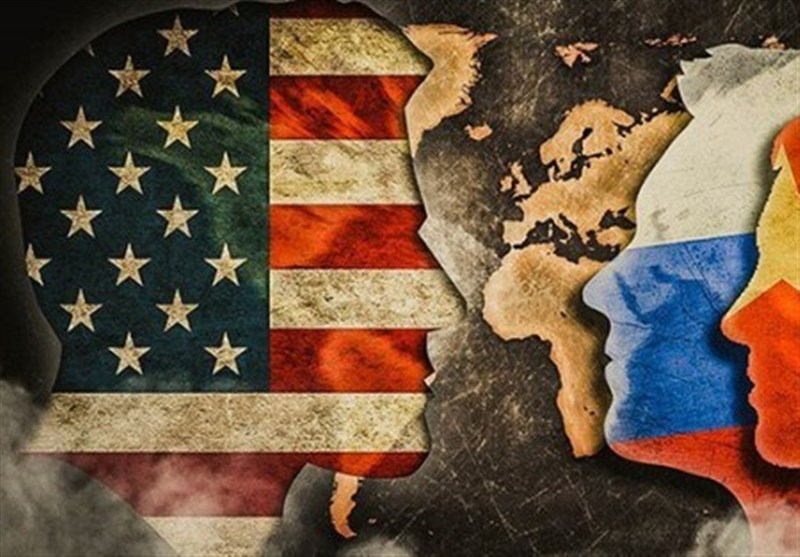
SCFR Online – Opinion: In the war between Iran and the United States, the main battlefield was not defined solely in the military domain; rather, the battle of narratives in cyberspace—particularly through memes—reached a decisive level.

The Global Energy Shock Situation and Future Scenarios

SCFR Online – Opinion: Only one month after the beginning of the Ramadan War, maritime traffic in the Strait of Hormuz decreased dramatically, with Bloomberg announcing a reduction of 103 vessels; Brent oil prices rose by more than 50 percent, and gasoline prices in the United States increased by 31.4 percent. Additionally, benchmark gas prices in Europe showed a 73.4 percent increase.

Al-Zaydi’s Selection as Prime Minister, The Beginning of a New Chapter in Iraq

SCFR Online – Note: After approximately five months of political deadlock and institutional confusion, Ali al-Zaydi has finally been selected as Iraq’s Prime Minister. Al-Zaydi’s selection as Prime Minister represents a positive sign of the completion of the government formation process and the beginning of a new phase in Iraqi politics and governance. The emergence of a young, technocratic figure from the third generation of politicians—in a context where the country has been administered by traditional figures for decades—revives hope that Iraq may perhaps distance itself from the repetitive cycle of crises and experience a new path of stability, efficiency, and regional convergence.

Intensifying Intra-Party Divisions in the United States Regarding the Zionist Regime

SCFR Online – Note: Over recent decades, support for the Zionist regime has been one of the few issues commanding bipartisan consensus in US foreign policy. Since the Cold War era, Republicans and Democrats have generally agreed on the necessity of preserving the security and survival of the Zionist regime as Washington’s most strategic ally in West Asia—and indeed, globally. However, developments in recent years—particularly the Gaza war, escalating regional conflicts, the expansion of tensions into Lebanon, and this regime’s recent warmongering against Iran—have caused this traditional consensus, especially within the Democratic Party, to face significant fractures.

Public Opinion Disappointment of the Zionist Regime Regarding Success in War with Iran

SCFR Online – Opinion: The internal situation of the Israeli regime during the 40-day war can be analyzed from several perspectives. The popularity levels of Benjamin Netanyahu, the Likud Party, and the ruling coalition led by Netanyahu until February 28, 2026, remained approximately the same as during the preceding year. The most recent factor that had somewhat increased Netanyahu’s popularity was the advancement of the 2024 war with Hezbollah Lebanon. Subsequently, his popularity temporarily increased during the 12-day war with Iran, but after the war, it returned to its previous state.

Loading

Iran

An Analysis of Iraq’s Vision 2050 Plan: Challenges and Opportunities Ahead

An Analysis of Iraq’s Vision 2050 Plan: Challenges and Opportunities Ahead

Online Strategic Council – Interview: A West Asia affairs expert stated that the unveiling of Iraq’s Vision 2050 plan by its Prime Minister, Mohammed Shia’ Al-Sudani, is assessed as a turning point on the path of economic development and reducing the country’s dependence on oil revenues. This plan is designed to create a diversified economy, develop infrastructure, and position Iraq at the heart of Asia-Europe trade corridors. If realized, it could alter the region’s geopolitical equations. In this plan, Al-Sudani has emphasized diverting 20 percent of the Asia-Europe trade through Iraq, which, if successful, will make the country a key player in global trade. On the other hand, environmental crises, security challenges, and the necessity of reforming governance structures in Iraq have made this plan a multidimensional and complex issue. For Iran, the implementation of Vision 2050 not only creates economic opportunities in the fields of energy and transit but also provides the possibility of enhancing political and security cooperation. However, the success of this plan is contingent upon resolving internal obstacles and Baghdad’s smart management of foreign relations, an issue that could improve the future of Iran-Iraq interactions and the regional standing of both countries in the coming decades.

Consequences of Four Iraqi Shiite Groups Being Placed on the US Terrorist List

Consequences of Four Iraqi Shiite Groups Being Placed on the US Terrorist List

Strategic Council Online– Interview: A senior Iraqi affairs analyst stated that the recent action by the US Department of State in placing four Iraqi Shiite groups on the list of foreign terrorist organizations has not only seriously challenged Iraq’s security dimension but has also broadly overshadowed Baghdad’s political and diplomatic equations. This decision, interpreted as a continuation of Washington’s policy of maximum pressure in the region, could have multi-layered consequences for Iraq’s internal security, foreign relations, and even the balance of power. The groups affected by this decision are part of the official structure of the Popular Mobilization Forces (PMF) and were key players in the defeat of ISIS; therefore, their placement on the terrorist list is not only considered a threat against US interests but also calls into question the legitimacy and cohesion of Iraq’s security forces. This move could cast a shadow over the process of withdrawing US forces from Iraq and provide a pretext for the continuation of Washington’s military presence. Similarly, at the regional level, it further frees the hands of the Israeli regime for aggressive actions.

Efforts to Retake Bagram Airbase Complete America’s Unfinished Scenario in the Region

Efforts to Retake Bagram Airbase Complete America’s Unfinished Scenario in the Region

Strategic Council Online – Interview: A senior analyst on Afghan and Pakistani affairs stated that China’s explicit reaction to the new US efforts to retake Bagram Air Base in Afghanistan has once again highlighted the geopolitical competition among major powers in this sensitive region. Beijing has emphasized that any escalation of tensions or creation of confrontation in Afghanistan runs counter to the wishes and interests of the Afghan people and the entire region, and the Afghans themselves must shape the future of Afghanistan. This stance comes as US President Donald Trump has revealed Washington’s plan to return to Bagram, citing the base’s proximity to sensitive Chinese nuclear areas as one of the primary motivations. Analysts believe that a potential US return to Bagram signifies not only the revival of a military presence in Afghanistan but also an effort to curb China’s growing influence and control vital regional trade and security routes; a move that could have broad geopolitical consequences for all of Central and South Asia.

Attack by the Israeli Regime on Qatar and the Collapse of American Security Guarantees

Attack by the Israeli Regime on Qatar and the Collapse of American Security Guarantees

Strategic Council Online – Interview: An international affairs analyst stated that the Israeli regime’s airstrike on Qatar, under the pretext of targeting Hamas leaders, could be a turning point in the security and diplomatic equations of the Persian Gulf. This action not only challenged Qatar’s sovereignty but also raised questions about the security of the member states of the Persian Gulf Cooperation Council. Given that the Israeli regime is considered a close ally of the United States, this aggression has heightened sensitivities and increased doubts about Washington’s commitment to ensuring the security and protection of its regional partners. Under such circumstances, Iran can pursue regional dialogues and cooperation in the Persian Gulf, considering the Arab countries’ concerns about the ineffectiveness of American security guarantees. On the other hand, the Israeli regime’s aggression against Qatar has practically endangered normalization agreements, including the Abraham Accords, and reduced the chances of developing cooperation between Tel Aviv and some Arab countries. Internal pressure on the UAE and Bahrain to reconsider their relations with this regime has increased. Thus, the Israeli regime’s attack on Doha has not only complicated the security equations but also plunged the region’s political and diplomatic prospects into a complex phase, indicating that regional actors must reconsider traditional approaches dependent on extra-regional powers.

Shanghai Summit, New Global Order, and Iran’s Position

Shanghai Summit, New Global Order, and Iran’s Position

Strategic Council Online – Opinion: The 25th Shanghai Cooperation Organization (SCO) Summit in Tianjin, China, can be considered one of the most significant events in recent years in terms of global power dynamics. Through its impressive hosting and the announcement of various economic and political initiatives, China attempted to present an image of a gradual transition from the West-centric financial order. The presence of leaders from Russia, India, and Central Asian countries also demonstrated that the idea of multipolarity is no longer merely a slogan but is being pursued through economic and institutional cooperation. The coincidence of the Shanghai Summit with the military parade in Beijing commemorating the 80th anniversary of China’s victory over Japan also highlighted the integration of the “hard power–soft power” strategy on the international stage.

Deception of EU3 Foreign Ministers in Joint Article on Trigger Mechanism

Deception of EU3 Foreign Ministers in Joint Article on Trigger Mechanism

Strategic Council Online – Opinion: The joint article by the foreign ministers of Britain, France, and Germany, recently published in Politico under the title “Why we are seeking to reimpose UN sanctions on Iran,” was an apparent attempt to present a one-sided narrative regarding Iran’s nuclear dossier. While the article emphasized increased uranium stockpiles, limited cooperation with the IAEA, and Iran’s security threats, important facts of our country’s nuclear case were ignored entirely.

An Analysis of Baku’s Mediation between Syria and the Israeli Regime

An Analysis of Baku’s Mediation between Syria and the Israeli Regime

Strategic Council Online – Interview: An international affairs expert stated that recently, Ilham Aliyev, the President of Azerbaijan, by announcing his country’s mediating role between the Israeli regime and Syria, attempted to turn Baku into one of the active regional players. In an interview, Aliyev emphasized that the primary goal of this action is to strengthen peace and stability in the Middle East. Furthermore, Aliyev spoke of Azerbaijan’s readiness to support the restoration of relations between Turkey and the Israeli regime and elaborated on his country’s humanitarian and energy assistance to Syria, including the export of gas to Syria based on a quadrilateral agreement with Turkey and Qatar, which began on August 2nd and may increase in the future. However, regional analysts view this mediation with skepticism, seeing it as being in line with Tel Aviv’s interests and the improvement of Baku’s geopolitical standing.

Objectives and Messages of China’s Military Drill Concurrent with the SCO Summit

Objectives and Messages of China’s Military Drill Concurrent with the SCO Summit

Strategic Council Online – Interview: A senior analyst on Chinese affairs stated that China’s major military drill on September 3, coinciding with the 80th anniversary of the end of World War II, is far more than a simple military event; it carries immense importance in today’s geopolitical equations. The presence of Vladimir Putin, Masoud Pezeshkian, and Kim Jong-un alongside Xi Jinping not only reflects the convergence of non-Western powers against pressure from the United States and NATO but also demonstrates Beijing’s efforts to consolidate its position as a decisive player in the global order. Among the 26 foreign leaders participating in this parade, none of the Western leaders are present except for Robert Fico, the Prime Minister of Slovakia. Also attending are Alexander Lukashenko, President of Belarus; Prabowo Subianto, President of Indonesia; Aleksandar Vučić, President of Serbia; and Woo Won-sik, Speaker of South Korea’s National Assembly. Li Junhua, Under-Secretary-General of the UN, will also be present on behalf of the organization.
This drill—considered one of the largest military maneuvers in China’s modern history—focuses on showcasing the latest defensive and offensive technologies, including hypersonic weapon systems and advanced communication networks whose capabilities could alter the balance of power in East Asia and even globally. This event is not merely a show of military force but also serves as a tool of deterrence and diplomacy. Under growing economic and diplomatic pressure, China is demonstrating through such drills that it possesses the ability to manage crises and reshape regional equations. In fact, Beijing is seizing this opportunity both to reassure its allies and to warn its rivals that East Asia is no longer under American dominance.

Objectives and Consequences of the South Caucasus Trilateral Agreement

Objectives and Consequences of the South Caucasus Trilateral Agreement

Strategic Council Online – Interview: A senior Eurasian affairs analyst stated that the trilateral agreement between Armenia, the Republic of Azerbaijan, and the United States on August 8, 2025, known as the “Trump Route,” is a turning point in the geopolitical equations of the South Caucasus. This agreement, ostensibly signed for peace and the establishment of a transit corridor between Baku and Nakhchivan, carries serious concerns. From the perspective of analysts, this plan is not merely an economic project but part of the U.S. strategy to enhance its influence in the region and contain regional powers such as Iran and Russia.

The Necessity of Utilizing the Security-Creating Capacity of the Persian Gulf Countries

The Necessity of Utilizing the Security-Creating Capacity of the Persian Gulf Countries

Strategic Council Online: Before the illegitimate attack by the Israeli and American regimes on our country’s nuclear and military centers, Iran’s diplomatic apparatus had adopted an active and multilateral regional policy. This policy aimed to gain and maintain the trust and cooperation of important and influential regional countries, including Saudi Arabia, by keeping them informed about the progress and process of nuclear negotiations with the United States. This policy has proven to be effective. Unlike in previous instances when it was highly likely that these countries would remain silent or even cooperate with attacks on our nuclear facilities, we recently observed a unanimous condemnation of the Israeli regime’s attack on our nation by the Persian Gulf Cooperation Council.

أحدث الوظائف

Iran’s Success in the Narrative Battle in Cyberspace

SCFR Online – Opinion: In the war between Iran and the United States, the main battlefield was not defined solely in the military domain; rather, the battle of narratives in cyberspace—particularly through memes—reached a decisive level.

The Global Energy Shock Situation and Future Scenarios

SCFR Online – Opinion: Only one month after the beginning of the Ramadan War, maritime traffic in the Strait of Hormuz decreased dramatically, with Bloomberg announcing a reduction of 103 vessels; Brent oil prices rose by more than 50 percent, and gasoline prices in the United States increased by 31.4 percent. Additionally, benchmark gas prices in Europe showed a 73.4 percent increase.

Al-Zaydi’s Selection as Prime Minister, The Beginning of a New Chapter in Iraq

SCFR Online – Note: After approximately five months of political deadlock and institutional confusion, Ali al-Zaydi has finally been selected as Iraq’s Prime Minister. Al-Zaydi’s selection as Prime Minister represents a positive sign of the completion of the government formation process and the beginning of a new phase in Iraqi politics and governance. The emergence of a young, technocratic figure from the third generation of politicians—in a context where the country has been administered by traditional figures for decades—revives hope that Iraq may perhaps distance itself from the repetitive cycle of crises and experience a new path of stability, efficiency, and regional convergence.

Intensifying Intra-Party Divisions in the United States Regarding the Zionist Regime

SCFR Online – Note: Over recent decades, support for the Zionist regime has been one of the few issues commanding bipartisan consensus in US foreign policy. Since the Cold War era, Republicans and Democrats have generally agreed on the necessity of preserving the security and survival of the Zionist regime as Washington’s most strategic ally in West Asia—and indeed, globally. However, developments in recent years—particularly the Gaza war, escalating regional conflicts, the expansion of tensions into Lebanon, and this regime’s recent warmongering against Iran—have caused this traditional consensus, especially within the Democratic Party, to face significant fractures.

Public Opinion Disappointment of the Zionist Regime Regarding Success in War with Iran

SCFR Online – Opinion: The internal situation of the Israeli regime during the 40-day war can be analyzed from several perspectives. The popularity levels of Benjamin Netanyahu, the Likud Party, and the ruling coalition led by Netanyahu until February 28, 2026, remained approximately the same as during the preceding year. The most recent factor that had somewhat increased Netanyahu’s popularity was the advancement of the 2024 war with Hezbollah Lebanon. Subsequently, his popularity temporarily increased during the 12-day war with Iran, but after the war, it returned to its previous state.

Loading

Iran

An Analysis of Iraq’s Vision 2050 Plan: Challenges and Opportunities Ahead

An Analysis of Iraq’s Vision 2050 Plan: Challenges and Opportunities Ahead

Online Strategic Council – Interview: A West Asia affairs expert stated that the unveiling of Iraq’s Vision 2050 plan by its Prime Minister, Mohammed Shia’ Al-Sudani, is assessed as a turning point on the path of economic development and reducing the country’s dependence on oil revenues. This plan is designed to create a diversified economy, develop infrastructure, and position Iraq at the heart of Asia-Europe trade corridors. If realized, it could alter the region’s geopolitical equations. In this plan, Al-Sudani has emphasized diverting 20 percent of the Asia-Europe trade through Iraq, which, if successful, will make the country a key player in global trade. On the other hand, environmental crises, security challenges, and the necessity of reforming governance structures in Iraq have made this plan a multidimensional and complex issue. For Iran, the implementation of Vision 2050 not only creates economic opportunities in the fields of energy and transit but also provides the possibility of enhancing political and security cooperation. However, the success of this plan is contingent upon resolving internal obstacles and Baghdad’s smart management of foreign relations, an issue that could improve the future of Iran-Iraq interactions and the regional standing of both countries in the coming decades.

Consequences of Four Iraqi Shiite Groups Being Placed on the US Terrorist List

Consequences of Four Iraqi Shiite Groups Being Placed on the US Terrorist List

Strategic Council Online– Interview: A senior Iraqi affairs analyst stated that the recent action by the US Department of State in placing four Iraqi Shiite groups on the list of foreign terrorist organizations has not only seriously challenged Iraq’s security dimension but has also broadly overshadowed Baghdad’s political and diplomatic equations. This decision, interpreted as a continuation of Washington’s policy of maximum pressure in the region, could have multi-layered consequences for Iraq’s internal security, foreign relations, and even the balance of power. The groups affected by this decision are part of the official structure of the Popular Mobilization Forces (PMF) and were key players in the defeat of ISIS; therefore, their placement on the terrorist list is not only considered a threat against US interests but also calls into question the legitimacy and cohesion of Iraq’s security forces. This move could cast a shadow over the process of withdrawing US forces from Iraq and provide a pretext for the continuation of Washington’s military presence. Similarly, at the regional level, it further frees the hands of the Israeli regime for aggressive actions.

Efforts to Retake Bagram Airbase Complete America’s Unfinished Scenario in the Region

Efforts to Retake Bagram Airbase Complete America’s Unfinished Scenario in the Region

Strategic Council Online – Interview: A senior analyst on Afghan and Pakistani affairs stated that China’s explicit reaction to the new US efforts to retake Bagram Air Base in Afghanistan has once again highlighted the geopolitical competition among major powers in this sensitive region. Beijing has emphasized that any escalation of tensions or creation of confrontation in Afghanistan runs counter to the wishes and interests of the Afghan people and the entire region, and the Afghans themselves must shape the future of Afghanistan. This stance comes as US President Donald Trump has revealed Washington’s plan to return to Bagram, citing the base’s proximity to sensitive Chinese nuclear areas as one of the primary motivations. Analysts believe that a potential US return to Bagram signifies not only the revival of a military presence in Afghanistan but also an effort to curb China’s growing influence and control vital regional trade and security routes; a move that could have broad geopolitical consequences for all of Central and South Asia.

Attack by the Israeli Regime on Qatar and the Collapse of American Security Guarantees

Attack by the Israeli Regime on Qatar and the Collapse of American Security Guarantees

Strategic Council Online – Interview: An international affairs analyst stated that the Israeli regime’s airstrike on Qatar, under the pretext of targeting Hamas leaders, could be a turning point in the security and diplomatic equations of the Persian Gulf. This action not only challenged Qatar’s sovereignty but also raised questions about the security of the member states of the Persian Gulf Cooperation Council. Given that the Israeli regime is considered a close ally of the United States, this aggression has heightened sensitivities and increased doubts about Washington’s commitment to ensuring the security and protection of its regional partners. Under such circumstances, Iran can pursue regional dialogues and cooperation in the Persian Gulf, considering the Arab countries’ concerns about the ineffectiveness of American security guarantees. On the other hand, the Israeli regime’s aggression against Qatar has practically endangered normalization agreements, including the Abraham Accords, and reduced the chances of developing cooperation between Tel Aviv and some Arab countries. Internal pressure on the UAE and Bahrain to reconsider their relations with this regime has increased. Thus, the Israeli regime’s attack on Doha has not only complicated the security equations but also plunged the region’s political and diplomatic prospects into a complex phase, indicating that regional actors must reconsider traditional approaches dependent on extra-regional powers.

Shanghai Summit, New Global Order, and Iran’s Position

Shanghai Summit, New Global Order, and Iran’s Position

Strategic Council Online – Opinion: The 25th Shanghai Cooperation Organization (SCO) Summit in Tianjin, China, can be considered one of the most significant events in recent years in terms of global power dynamics. Through its impressive hosting and the announcement of various economic and political initiatives, China attempted to present an image of a gradual transition from the West-centric financial order. The presence of leaders from Russia, India, and Central Asian countries also demonstrated that the idea of multipolarity is no longer merely a slogan but is being pursued through economic and institutional cooperation. The coincidence of the Shanghai Summit with the military parade in Beijing commemorating the 80th anniversary of China’s victory over Japan also highlighted the integration of the “hard power–soft power” strategy on the international stage.

Deception of EU3 Foreign Ministers in Joint Article on Trigger Mechanism

Deception of EU3 Foreign Ministers in Joint Article on Trigger Mechanism

Strategic Council Online – Opinion: The joint article by the foreign ministers of Britain, France, and Germany, recently published in Politico under the title “Why we are seeking to reimpose UN sanctions on Iran,” was an apparent attempt to present a one-sided narrative regarding Iran’s nuclear dossier. While the article emphasized increased uranium stockpiles, limited cooperation with the IAEA, and Iran’s security threats, important facts of our country’s nuclear case were ignored entirely.

An Analysis of Baku’s Mediation between Syria and the Israeli Regime

An Analysis of Baku’s Mediation between Syria and the Israeli Regime

Strategic Council Online – Interview: An international affairs expert stated that recently, Ilham Aliyev, the President of Azerbaijan, by announcing his country’s mediating role between the Israeli regime and Syria, attempted to turn Baku into one of the active regional players. In an interview, Aliyev emphasized that the primary goal of this action is to strengthen peace and stability in the Middle East. Furthermore, Aliyev spoke of Azerbaijan’s readiness to support the restoration of relations between Turkey and the Israeli regime and elaborated on his country’s humanitarian and energy assistance to Syria, including the export of gas to Syria based on a quadrilateral agreement with Turkey and Qatar, which began on August 2nd and may increase in the future. However, regional analysts view this mediation with skepticism, seeing it as being in line with Tel Aviv’s interests and the improvement of Baku’s geopolitical standing.

Objectives and Messages of China’s Military Drill Concurrent with the SCO Summit

Objectives and Messages of China’s Military Drill Concurrent with the SCO Summit

Strategic Council Online – Interview: A senior analyst on Chinese affairs stated that China’s major military drill on September 3, coinciding with the 80th anniversary of the end of World War II, is far more than a simple military event; it carries immense importance in today’s geopolitical equations. The presence of Vladimir Putin, Masoud Pezeshkian, and Kim Jong-un alongside Xi Jinping not only reflects the convergence of non-Western powers against pressure from the United States and NATO but also demonstrates Beijing’s efforts to consolidate its position as a decisive player in the global order. Among the 26 foreign leaders participating in this parade, none of the Western leaders are present except for Robert Fico, the Prime Minister of Slovakia. Also attending are Alexander Lukashenko, President of Belarus; Prabowo Subianto, President of Indonesia; Aleksandar Vučić, President of Serbia; and Woo Won-sik, Speaker of South Korea’s National Assembly. Li Junhua, Under-Secretary-General of the UN, will also be present on behalf of the organization.
This drill—considered one of the largest military maneuvers in China’s modern history—focuses on showcasing the latest defensive and offensive technologies, including hypersonic weapon systems and advanced communication networks whose capabilities could alter the balance of power in East Asia and even globally. This event is not merely a show of military force but also serves as a tool of deterrence and diplomacy. Under growing economic and diplomatic pressure, China is demonstrating through such drills that it possesses the ability to manage crises and reshape regional equations. In fact, Beijing is seizing this opportunity both to reassure its allies and to warn its rivals that East Asia is no longer under American dominance.

Objectives and Consequences of the South Caucasus Trilateral Agreement

Objectives and Consequences of the South Caucasus Trilateral Agreement

Strategic Council Online – Interview: A senior Eurasian affairs analyst stated that the trilateral agreement between Armenia, the Republic of Azerbaijan, and the United States on August 8, 2025, known as the “Trump Route,” is a turning point in the geopolitical equations of the South Caucasus. This agreement, ostensibly signed for peace and the establishment of a transit corridor between Baku and Nakhchivan, carries serious concerns. From the perspective of analysts, this plan is not merely an economic project but part of the U.S. strategy to enhance its influence in the region and contain regional powers such as Iran and Russia.

The Necessity of Utilizing the Security-Creating Capacity of the Persian Gulf Countries

The Necessity of Utilizing the Security-Creating Capacity of the Persian Gulf Countries

Strategic Council Online: Before the illegitimate attack by the Israeli and American regimes on our country’s nuclear and military centers, Iran’s diplomatic apparatus had adopted an active and multilateral regional policy. This policy aimed to gain and maintain the trust and cooperation of important and influential regional countries, including Saudi Arabia, by keeping them informed about the progress and process of nuclear negotiations with the United States. This policy has proven to be effective. Unlike in previous instances when it was highly likely that these countries would remain silent or even cooperate with attacks on our nuclear facilities, we recently observed a unanimous condemnation of the Israeli regime’s attack on our nation by the Persian Gulf Cooperation Council.

Iran

An Analysis of Iraq’s Vision 2050 Plan: Challenges and Opportunities Ahead

An Analysis of Iraq’s Vision 2050 Plan: Challenges and Opportunities Ahead

Online Strategic Council – Interview: A West Asia affairs expert stated that the unveiling of Iraq’s Vision 2050 plan by its Prime Minister, Mohammed Shia’ Al-Sudani, is assessed as a turning point on the path of economic development and reducing the country’s dependence on oil revenues. This plan is designed to create a diversified economy, develop infrastructure, and position Iraq at the heart of Asia-Europe trade corridors. If realized, it could alter the region’s geopolitical equations. In this plan, Al-Sudani has emphasized diverting 20 percent of the Asia-Europe trade through Iraq, which, if successful, will make the country a key player in global trade. On the other hand, environmental crises, security challenges, and the necessity of reforming governance structures in Iraq have made this plan a multidimensional and complex issue. For Iran, the implementation of Vision 2050 not only creates economic opportunities in the fields of energy and transit but also provides the possibility of enhancing political and security cooperation. However, the success of this plan is contingent upon resolving internal obstacles and Baghdad’s smart management of foreign relations, an issue that could improve the future of Iran-Iraq interactions and the regional standing of both countries in the coming decades.

Consequences of Four Iraqi Shiite Groups Being Placed on the US Terrorist List

Consequences of Four Iraqi Shiite Groups Being Placed on the US Terrorist List

Strategic Council Online– Interview: A senior Iraqi affairs analyst stated that the recent action by the US Department of State in placing four Iraqi Shiite groups on the list of foreign terrorist organizations has not only seriously challenged Iraq’s security dimension but has also broadly overshadowed Baghdad’s political and diplomatic equations. This decision, interpreted as a continuation of Washington’s policy of maximum pressure in the region, could have multi-layered consequences for Iraq’s internal security, foreign relations, and even the balance of power. The groups affected by this decision are part of the official structure of the Popular Mobilization Forces (PMF) and were key players in the defeat of ISIS; therefore, their placement on the terrorist list is not only considered a threat against US interests but also calls into question the legitimacy and cohesion of Iraq’s security forces. This move could cast a shadow over the process of withdrawing US forces from Iraq and provide a pretext for the continuation of Washington’s military presence. Similarly, at the regional level, it further frees the hands of the Israeli regime for aggressive actions.

Efforts to Retake Bagram Airbase Complete America’s Unfinished Scenario in the Region

Efforts to Retake Bagram Airbase Complete America’s Unfinished Scenario in the Region

Strategic Council Online – Interview: A senior analyst on Afghan and Pakistani affairs stated that China’s explicit reaction to the new US efforts to retake Bagram Air Base in Afghanistan has once again highlighted the geopolitical competition among major powers in this sensitive region. Beijing has emphasized that any escalation of tensions or creation of confrontation in Afghanistan runs counter to the wishes and interests of the Afghan people and the entire region, and the Afghans themselves must shape the future of Afghanistan. This stance comes as US President Donald Trump has revealed Washington’s plan to return to Bagram, citing the base’s proximity to sensitive Chinese nuclear areas as one of the primary motivations. Analysts believe that a potential US return to Bagram signifies not only the revival of a military presence in Afghanistan but also an effort to curb China’s growing influence and control vital regional trade and security routes; a move that could have broad geopolitical consequences for all of Central and South Asia.

Attack by the Israeli Regime on Qatar and the Collapse of American Security Guarantees

Attack by the Israeli Regime on Qatar and the Collapse of American Security Guarantees

Strategic Council Online – Interview: An international affairs analyst stated that the Israeli regime’s airstrike on Qatar, under the pretext of targeting Hamas leaders, could be a turning point in the security and diplomatic equations of the Persian Gulf. This action not only challenged Qatar’s sovereignty but also raised questions about the security of the member states of the Persian Gulf Cooperation Council. Given that the Israeli regime is considered a close ally of the United States, this aggression has heightened sensitivities and increased doubts about Washington’s commitment to ensuring the security and protection of its regional partners. Under such circumstances, Iran can pursue regional dialogues and cooperation in the Persian Gulf, considering the Arab countries’ concerns about the ineffectiveness of American security guarantees. On the other hand, the Israeli regime’s aggression against Qatar has practically endangered normalization agreements, including the Abraham Accords, and reduced the chances of developing cooperation between Tel Aviv and some Arab countries. Internal pressure on the UAE and Bahrain to reconsider their relations with this regime has increased. Thus, the Israeli regime’s attack on Doha has not only complicated the security equations but also plunged the region’s political and diplomatic prospects into a complex phase, indicating that regional actors must reconsider traditional approaches dependent on extra-regional powers.

Shanghai Summit, New Global Order, and Iran’s Position

Shanghai Summit, New Global Order, and Iran’s Position

Strategic Council Online – Opinion: The 25th Shanghai Cooperation Organization (SCO) Summit in Tianjin, China, can be considered one of the most significant events in recent years in terms of global power dynamics. Through its impressive hosting and the announcement of various economic and political initiatives, China attempted to present an image of a gradual transition from the West-centric financial order. The presence of leaders from Russia, India, and Central Asian countries also demonstrated that the idea of multipolarity is no longer merely a slogan but is being pursued through economic and institutional cooperation. The coincidence of the Shanghai Summit with the military parade in Beijing commemorating the 80th anniversary of China’s victory over Japan also highlighted the integration of the “hard power–soft power” strategy on the international stage.

Deception of EU3 Foreign Ministers in Joint Article on Trigger Mechanism

Deception of EU3 Foreign Ministers in Joint Article on Trigger Mechanism

Strategic Council Online – Opinion: The joint article by the foreign ministers of Britain, France, and Germany, recently published in Politico under the title “Why we are seeking to reimpose UN sanctions on Iran,” was an apparent attempt to present a one-sided narrative regarding Iran’s nuclear dossier. While the article emphasized increased uranium stockpiles, limited cooperation with the IAEA, and Iran’s security threats, important facts of our country’s nuclear case were ignored entirely.

An Analysis of Baku’s Mediation between Syria and the Israeli Regime

An Analysis of Baku’s Mediation between Syria and the Israeli Regime

Strategic Council Online – Interview: An international affairs expert stated that recently, Ilham Aliyev, the President of Azerbaijan, by announcing his country’s mediating role between the Israeli regime and Syria, attempted to turn Baku into one of the active regional players. In an interview, Aliyev emphasized that the primary goal of this action is to strengthen peace and stability in the Middle East. Furthermore, Aliyev spoke of Azerbaijan’s readiness to support the restoration of relations between Turkey and the Israeli regime and elaborated on his country’s humanitarian and energy assistance to Syria, including the export of gas to Syria based on a quadrilateral agreement with Turkey and Qatar, which began on August 2nd and may increase in the future. However, regional analysts view this mediation with skepticism, seeing it as being in line with Tel Aviv’s interests and the improvement of Baku’s geopolitical standing.

Objectives and Messages of China’s Military Drill Concurrent with the SCO Summit

Objectives and Messages of China’s Military Drill Concurrent with the SCO Summit

Strategic Council Online – Interview: A senior analyst on Chinese affairs stated that China’s major military drill on September 3, coinciding with the 80th anniversary of the end of World War II, is far more than a simple military event; it carries immense importance in today’s geopolitical equations. The presence of Vladimir Putin, Masoud Pezeshkian, and Kim Jong-un alongside Xi Jinping not only reflects the convergence of non-Western powers against pressure from the United States and NATO but also demonstrates Beijing’s efforts to consolidate its position as a decisive player in the global order. Among the 26 foreign leaders participating in this parade, none of the Western leaders are present except for Robert Fico, the Prime Minister of Slovakia. Also attending are Alexander Lukashenko, President of Belarus; Prabowo Subianto, President of Indonesia; Aleksandar Vučić, President of Serbia; and Woo Won-sik, Speaker of South Korea’s National Assembly. Li Junhua, Under-Secretary-General of the UN, will also be present on behalf of the organization.
This drill—considered one of the largest military maneuvers in China’s modern history—focuses on showcasing the latest defensive and offensive technologies, including hypersonic weapon systems and advanced communication networks whose capabilities could alter the balance of power in East Asia and even globally. This event is not merely a show of military force but also serves as a tool of deterrence and diplomacy. Under growing economic and diplomatic pressure, China is demonstrating through such drills that it possesses the ability to manage crises and reshape regional equations. In fact, Beijing is seizing this opportunity both to reassure its allies and to warn its rivals that East Asia is no longer under American dominance.

Objectives and Consequences of the South Caucasus Trilateral Agreement

Objectives and Consequences of the South Caucasus Trilateral Agreement

Strategic Council Online – Interview: A senior Eurasian affairs analyst stated that the trilateral agreement between Armenia, the Republic of Azerbaijan, and the United States on August 8, 2025, known as the “Trump Route,” is a turning point in the geopolitical equations of the South Caucasus. This agreement, ostensibly signed for peace and the establishment of a transit corridor between Baku and Nakhchivan, carries serious concerns. From the perspective of analysts, this plan is not merely an economic project but part of the U.S. strategy to enhance its influence in the region and contain regional powers such as Iran and Russia.

The Necessity of Utilizing the Security-Creating Capacity of the Persian Gulf Countries

The Necessity of Utilizing the Security-Creating Capacity of the Persian Gulf Countries

Strategic Council Online: Before the illegitimate attack by the Israeli and American regimes on our country’s nuclear and military centers, Iran’s diplomatic apparatus had adopted an active and multilateral regional policy. This policy aimed to gain and maintain the trust and cooperation of important and influential regional countries, including Saudi Arabia, by keeping them informed about the progress and process of nuclear negotiations with the United States. This policy has proven to be effective. Unlike in previous instances when it was highly likely that these countries would remain silent or even cooperate with attacks on our nuclear facilities, we recently observed a unanimous condemnation of the Israeli regime’s attack on our nation by the Persian Gulf Cooperation Council.

LATEST CONTENT

Iran’s Success in the Narrative Battle in Cyberspace

SCFR Online – Opinion: In the war between Iran and the United States, the main battlefield was not defined solely in the military domain; rather, the battle of narratives in cyberspace—particularly through memes—reached a decisive level.

The Global Energy Shock Situation and Future Scenarios

SCFR Online – Opinion: Only one month after the beginning of the Ramadan War, maritime traffic in the Strait of Hormuz decreased dramatically, with Bloomberg announcing a reduction of 103 vessels; Brent oil prices rose by more than 50 percent, and gasoline prices in the United States increased by 31.4 percent. Additionally, benchmark gas prices in Europe showed a 73.4 percent increase.

Al-Zaydi’s Selection as Prime Minister, The Beginning of a New Chapter in Iraq

SCFR Online – Note: After approximately five months of political deadlock and institutional confusion, Ali al-Zaydi has finally been selected as Iraq’s Prime Minister. Al-Zaydi’s selection as Prime Minister represents a positive sign of the completion of the government formation process and the beginning of a new phase in Iraqi politics and governance. The emergence of a young, technocratic figure from the third generation of politicians—in a context where the country has been administered by traditional figures for decades—revives hope that Iraq may perhaps distance itself from the repetitive cycle of crises and experience a new path of stability, efficiency, and regional convergence.

Intensifying Intra-Party Divisions in the United States Regarding the Zionist Regime

SCFR Online – Note: Over recent decades, support for the Zionist regime has been one of the few issues commanding bipartisan consensus in US foreign policy. Since the Cold War era, Republicans and Democrats have generally agreed on the necessity of preserving the security and survival of the Zionist regime as Washington’s most strategic ally in West Asia—and indeed, globally. However, developments in recent years—particularly the Gaza war, escalating regional conflicts, the expansion of tensions into Lebanon, and this regime’s recent warmongering against Iran—have caused this traditional consensus, especially within the Democratic Party, to face significant fractures.

Public Opinion Disappointment of the Zionist Regime Regarding Success in War with Iran

SCFR Online – Opinion: The internal situation of the Israeli regime during the 40-day war can be analyzed from several perspectives. The popularity levels of Benjamin Netanyahu, the Likud Party, and the ruling coalition led by Netanyahu until February 28, 2026, remained approximately the same as during the preceding year. The most recent factor that had somewhat increased Netanyahu’s popularity was the advancement of the 2024 war with Hezbollah Lebanon. Subsequently, his popularity temporarily increased during the 12-day war with Iran, but after the war, it returned to its previous state.

Loading

Iran

An Analysis of Iraq’s Vision 2050 Plan: Challenges and Opportunities Ahead

An Analysis of Iraq’s Vision 2050 Plan: Challenges and Opportunities Ahead

Online Strategic Council – Interview: A West Asia affairs expert stated that the unveiling of Iraq’s Vision 2050 plan by its Prime Minister, Mohammed Shia’ Al-Sudani, is assessed as a turning point on the path of economic development and reducing the country’s dependence on oil revenues. This plan is designed to create a diversified economy, develop infrastructure, and position Iraq at the heart of Asia-Europe trade corridors. If realized, it could alter the region’s geopolitical equations. In this plan, Al-Sudani has emphasized diverting 20 percent of the Asia-Europe trade through Iraq, which, if successful, will make the country a key player in global trade. On the other hand, environmental crises, security challenges, and the necessity of reforming governance structures in Iraq have made this plan a multidimensional and complex issue. For Iran, the implementation of Vision 2050 not only creates economic opportunities in the fields of energy and transit but also provides the possibility of enhancing political and security cooperation. However, the success of this plan is contingent upon resolving internal obstacles and Baghdad’s smart management of foreign relations, an issue that could improve the future of Iran-Iraq interactions and the regional standing of both countries in the coming decades.

Consequences of Four Iraqi Shiite Groups Being Placed on the US Terrorist List

Consequences of Four Iraqi Shiite Groups Being Placed on the US Terrorist List

Strategic Council Online– Interview: A senior Iraqi affairs analyst stated that the recent action by the US Department of State in placing four Iraqi Shiite groups on the list of foreign terrorist organizations has not only seriously challenged Iraq’s security dimension but has also broadly overshadowed Baghdad’s political and diplomatic equations. This decision, interpreted as a continuation of Washington’s policy of maximum pressure in the region, could have multi-layered consequences for Iraq’s internal security, foreign relations, and even the balance of power. The groups affected by this decision are part of the official structure of the Popular Mobilization Forces (PMF) and were key players in the defeat of ISIS; therefore, their placement on the terrorist list is not only considered a threat against US interests but also calls into question the legitimacy and cohesion of Iraq’s security forces. This move could cast a shadow over the process of withdrawing US forces from Iraq and provide a pretext for the continuation of Washington’s military presence. Similarly, at the regional level, it further frees the hands of the Israeli regime for aggressive actions.

Efforts to Retake Bagram Airbase Complete America’s Unfinished Scenario in the Region

Efforts to Retake Bagram Airbase Complete America’s Unfinished Scenario in the Region

Strategic Council Online – Interview: A senior analyst on Afghan and Pakistani affairs stated that China’s explicit reaction to the new US efforts to retake Bagram Air Base in Afghanistan has once again highlighted the geopolitical competition among major powers in this sensitive region. Beijing has emphasized that any escalation of tensions or creation of confrontation in Afghanistan runs counter to the wishes and interests of the Afghan people and the entire region, and the Afghans themselves must shape the future of Afghanistan. This stance comes as US President Donald Trump has revealed Washington’s plan to return to Bagram, citing the base’s proximity to sensitive Chinese nuclear areas as one of the primary motivations. Analysts believe that a potential US return to Bagram signifies not only the revival of a military presence in Afghanistan but also an effort to curb China’s growing influence and control vital regional trade and security routes; a move that could have broad geopolitical consequences for all of Central and South Asia.

Attack by the Israeli Regime on Qatar and the Collapse of American Security Guarantees

Attack by the Israeli Regime on Qatar and the Collapse of American Security Guarantees

Strategic Council Online – Interview: An international affairs analyst stated that the Israeli regime’s airstrike on Qatar, under the pretext of targeting Hamas leaders, could be a turning point in the security and diplomatic equations of the Persian Gulf. This action not only challenged Qatar’s sovereignty but also raised questions about the security of the member states of the Persian Gulf Cooperation Council. Given that the Israeli regime is considered a close ally of the United States, this aggression has heightened sensitivities and increased doubts about Washington’s commitment to ensuring the security and protection of its regional partners. Under such circumstances, Iran can pursue regional dialogues and cooperation in the Persian Gulf, considering the Arab countries’ concerns about the ineffectiveness of American security guarantees. On the other hand, the Israeli regime’s aggression against Qatar has practically endangered normalization agreements, including the Abraham Accords, and reduced the chances of developing cooperation between Tel Aviv and some Arab countries. Internal pressure on the UAE and Bahrain to reconsider their relations with this regime has increased. Thus, the Israeli regime’s attack on Doha has not only complicated the security equations but also plunged the region’s political and diplomatic prospects into a complex phase, indicating that regional actors must reconsider traditional approaches dependent on extra-regional powers.

Shanghai Summit, New Global Order, and Iran’s Position

Shanghai Summit, New Global Order, and Iran’s Position

Strategic Council Online – Opinion: The 25th Shanghai Cooperation Organization (SCO) Summit in Tianjin, China, can be considered one of the most significant events in recent years in terms of global power dynamics. Through its impressive hosting and the announcement of various economic and political initiatives, China attempted to present an image of a gradual transition from the West-centric financial order. The presence of leaders from Russia, India, and Central Asian countries also demonstrated that the idea of multipolarity is no longer merely a slogan but is being pursued through economic and institutional cooperation. The coincidence of the Shanghai Summit with the military parade in Beijing commemorating the 80th anniversary of China’s victory over Japan also highlighted the integration of the “hard power–soft power” strategy on the international stage.

Deception of EU3 Foreign Ministers in Joint Article on Trigger Mechanism

Deception of EU3 Foreign Ministers in Joint Article on Trigger Mechanism

Strategic Council Online – Opinion: The joint article by the foreign ministers of Britain, France, and Germany, recently published in Politico under the title “Why we are seeking to reimpose UN sanctions on Iran,” was an apparent attempt to present a one-sided narrative regarding Iran’s nuclear dossier. While the article emphasized increased uranium stockpiles, limited cooperation with the IAEA, and Iran’s security threats, important facts of our country’s nuclear case were ignored entirely.

An Analysis of Baku’s Mediation between Syria and the Israeli Regime

An Analysis of Baku’s Mediation between Syria and the Israeli Regime

Strategic Council Online – Interview: An international affairs expert stated that recently, Ilham Aliyev, the President of Azerbaijan, by announcing his country’s mediating role between the Israeli regime and Syria, attempted to turn Baku into one of the active regional players. In an interview, Aliyev emphasized that the primary goal of this action is to strengthen peace and stability in the Middle East. Furthermore, Aliyev spoke of Azerbaijan’s readiness to support the restoration of relations between Turkey and the Israeli regime and elaborated on his country’s humanitarian and energy assistance to Syria, including the export of gas to Syria based on a quadrilateral agreement with Turkey and Qatar, which began on August 2nd and may increase in the future. However, regional analysts view this mediation with skepticism, seeing it as being in line with Tel Aviv’s interests and the improvement of Baku’s geopolitical standing.

Objectives and Messages of China’s Military Drill Concurrent with the SCO Summit

Objectives and Messages of China’s Military Drill Concurrent with the SCO Summit

Strategic Council Online – Interview: A senior analyst on Chinese affairs stated that China’s major military drill on September 3, coinciding with the 80th anniversary of the end of World War II, is far more than a simple military event; it carries immense importance in today’s geopolitical equations. The presence of Vladimir Putin, Masoud Pezeshkian, and Kim Jong-un alongside Xi Jinping not only reflects the convergence of non-Western powers against pressure from the United States and NATO but also demonstrates Beijing’s efforts to consolidate its position as a decisive player in the global order. Among the 26 foreign leaders participating in this parade, none of the Western leaders are present except for Robert Fico, the Prime Minister of Slovakia. Also attending are Alexander Lukashenko, President of Belarus; Prabowo Subianto, President of Indonesia; Aleksandar Vučić, President of Serbia; and Woo Won-sik, Speaker of South Korea’s National Assembly. Li Junhua, Under-Secretary-General of the UN, will also be present on behalf of the organization.
This drill—considered one of the largest military maneuvers in China’s modern history—focuses on showcasing the latest defensive and offensive technologies, including hypersonic weapon systems and advanced communication networks whose capabilities could alter the balance of power in East Asia and even globally. This event is not merely a show of military force but also serves as a tool of deterrence and diplomacy. Under growing economic and diplomatic pressure, China is demonstrating through such drills that it possesses the ability to manage crises and reshape regional equations. In fact, Beijing is seizing this opportunity both to reassure its allies and to warn its rivals that East Asia is no longer under American dominance.

Objectives and Consequences of the South Caucasus Trilateral Agreement

Objectives and Consequences of the South Caucasus Trilateral Agreement

Strategic Council Online – Interview: A senior Eurasian affairs analyst stated that the trilateral agreement between Armenia, the Republic of Azerbaijan, and the United States on August 8, 2025, known as the “Trump Route,” is a turning point in the geopolitical equations of the South Caucasus. This agreement, ostensibly signed for peace and the establishment of a transit corridor between Baku and Nakhchivan, carries serious concerns. From the perspective of analysts, this plan is not merely an economic project but part of the U.S. strategy to enhance its influence in the region and contain regional powers such as Iran and Russia.

The Necessity of Utilizing the Security-Creating Capacity of the Persian Gulf Countries

The Necessity of Utilizing the Security-Creating Capacity of the Persian Gulf Countries

Strategic Council Online: Before the illegitimate attack by the Israeli and American regimes on our country’s nuclear and military centers, Iran’s diplomatic apparatus had adopted an active and multilateral regional policy. This policy aimed to gain and maintain the trust and cooperation of important and influential regional countries, including Saudi Arabia, by keeping them informed about the progress and process of nuclear negotiations with the United States. This policy has proven to be effective. Unlike in previous instances when it was highly likely that these countries would remain silent or even cooperate with attacks on our nuclear facilities, we recently observed a unanimous condemnation of the Israeli regime’s attack on our nation by the Persian Gulf Cooperation Council.

ÚLTIMAS PUBLICACIONES

Iran’s Success in the Narrative Battle in Cyberspace

SCFR Online – Opinion: In the war between Iran and the United States, the main battlefield was not defined solely in the military domain; rather, the battle of narratives in cyberspace—particularly through memes—reached a decisive level.

The Global Energy Shock Situation and Future Scenarios

SCFR Online – Opinion: Only one month after the beginning of the Ramadan War, maritime traffic in the Strait of Hormuz decreased dramatically, with Bloomberg announcing a reduction of 103 vessels; Brent oil prices rose by more than 50 percent, and gasoline prices in the United States increased by 31.4 percent. Additionally, benchmark gas prices in Europe showed a 73.4 percent increase.

Al-Zaydi’s Selection as Prime Minister, The Beginning of a New Chapter in Iraq

SCFR Online – Note: After approximately five months of political deadlock and institutional confusion, Ali al-Zaydi has finally been selected as Iraq’s Prime Minister. Al-Zaydi’s selection as Prime Minister represents a positive sign of the completion of the government formation process and the beginning of a new phase in Iraqi politics and governance. The emergence of a young, technocratic figure from the third generation of politicians—in a context where the country has been administered by traditional figures for decades—revives hope that Iraq may perhaps distance itself from the repetitive cycle of crises and experience a new path of stability, efficiency, and regional convergence.

Intensifying Intra-Party Divisions in the United States Regarding the Zionist Regime

SCFR Online – Note: Over recent decades, support for the Zionist regime has been one of the few issues commanding bipartisan consensus in US foreign policy. Since the Cold War era, Republicans and Democrats have generally agreed on the necessity of preserving the security and survival of the Zionist regime as Washington’s most strategic ally in West Asia—and indeed, globally. However, developments in recent years—particularly the Gaza war, escalating regional conflicts, the expansion of tensions into Lebanon, and this regime’s recent warmongering against Iran—have caused this traditional consensus, especially within the Democratic Party, to face significant fractures.

Public Opinion Disappointment of the Zionist Regime Regarding Success in War with Iran

SCFR Online – Opinion: The internal situation of the Israeli regime during the 40-day war can be analyzed from several perspectives. The popularity levels of Benjamin Netanyahu, the Likud Party, and the ruling coalition led by Netanyahu until February 28, 2026, remained approximately the same as during the preceding year. The most recent factor that had somewhat increased Netanyahu’s popularity was the advancement of the 2024 war with Hezbollah Lebanon. Subsequently, his popularity temporarily increased during the 12-day war with Iran, but after the war, it returned to its previous state.

Loading

Iran

An Analysis of Iraq’s Vision 2050 Plan: Challenges and Opportunities Ahead

An Analysis of Iraq’s Vision 2050 Plan: Challenges and Opportunities Ahead

Online Strategic Council – Interview: A West Asia affairs expert stated that the unveiling of Iraq’s Vision 2050 plan by its Prime Minister, Mohammed Shia’ Al-Sudani, is assessed as a turning point on the path of economic development and reducing the country’s dependence on oil revenues. This plan is designed to create a diversified economy, develop infrastructure, and position Iraq at the heart of Asia-Europe trade corridors. If realized, it could alter the region’s geopolitical equations. In this plan, Al-Sudani has emphasized diverting 20 percent of the Asia-Europe trade through Iraq, which, if successful, will make the country a key player in global trade. On the other hand, environmental crises, security challenges, and the necessity of reforming governance structures in Iraq have made this plan a multidimensional and complex issue. For Iran, the implementation of Vision 2050 not only creates economic opportunities in the fields of energy and transit but also provides the possibility of enhancing political and security cooperation. However, the success of this plan is contingent upon resolving internal obstacles and Baghdad’s smart management of foreign relations, an issue that could improve the future of Iran-Iraq interactions and the regional standing of both countries in the coming decades.

Consequences of Four Iraqi Shiite Groups Being Placed on the US Terrorist List

Consequences of Four Iraqi Shiite Groups Being Placed on the US Terrorist List

Strategic Council Online– Interview: A senior Iraqi affairs analyst stated that the recent action by the US Department of State in placing four Iraqi Shiite groups on the list of foreign terrorist organizations has not only seriously challenged Iraq’s security dimension but has also broadly overshadowed Baghdad’s political and diplomatic equations. This decision, interpreted as a continuation of Washington’s policy of maximum pressure in the region, could have multi-layered consequences for Iraq’s internal security, foreign relations, and even the balance of power. The groups affected by this decision are part of the official structure of the Popular Mobilization Forces (PMF) and were key players in the defeat of ISIS; therefore, their placement on the terrorist list is not only considered a threat against US interests but also calls into question the legitimacy and cohesion of Iraq’s security forces. This move could cast a shadow over the process of withdrawing US forces from Iraq and provide a pretext for the continuation of Washington’s military presence. Similarly, at the regional level, it further frees the hands of the Israeli regime for aggressive actions.

Efforts to Retake Bagram Airbase Complete America’s Unfinished Scenario in the Region

Efforts to Retake Bagram Airbase Complete America’s Unfinished Scenario in the Region

Strategic Council Online – Interview: A senior analyst on Afghan and Pakistani affairs stated that China’s explicit reaction to the new US efforts to retake Bagram Air Base in Afghanistan has once again highlighted the geopolitical competition among major powers in this sensitive region. Beijing has emphasized that any escalation of tensions or creation of confrontation in Afghanistan runs counter to the wishes and interests of the Afghan people and the entire region, and the Afghans themselves must shape the future of Afghanistan. This stance comes as US President Donald Trump has revealed Washington’s plan to return to Bagram, citing the base’s proximity to sensitive Chinese nuclear areas as one of the primary motivations. Analysts believe that a potential US return to Bagram signifies not only the revival of a military presence in Afghanistan but also an effort to curb China’s growing influence and control vital regional trade and security routes; a move that could have broad geopolitical consequences for all of Central and South Asia.

Attack by the Israeli Regime on Qatar and the Collapse of American Security Guarantees

Attack by the Israeli Regime on Qatar and the Collapse of American Security Guarantees

Strategic Council Online – Interview: An international affairs analyst stated that the Israeli regime’s airstrike on Qatar, under the pretext of targeting Hamas leaders, could be a turning point in the security and diplomatic equations of the Persian Gulf. This action not only challenged Qatar’s sovereignty but also raised questions about the security of the member states of the Persian Gulf Cooperation Council. Given that the Israeli regime is considered a close ally of the United States, this aggression has heightened sensitivities and increased doubts about Washington’s commitment to ensuring the security and protection of its regional partners. Under such circumstances, Iran can pursue regional dialogues and cooperation in the Persian Gulf, considering the Arab countries’ concerns about the ineffectiveness of American security guarantees. On the other hand, the Israeli regime’s aggression against Qatar has practically endangered normalization agreements, including the Abraham Accords, and reduced the chances of developing cooperation between Tel Aviv and some Arab countries. Internal pressure on the UAE and Bahrain to reconsider their relations with this regime has increased. Thus, the Israeli regime’s attack on Doha has not only complicated the security equations but also plunged the region’s political and diplomatic prospects into a complex phase, indicating that regional actors must reconsider traditional approaches dependent on extra-regional powers.

Shanghai Summit, New Global Order, and Iran’s Position

Shanghai Summit, New Global Order, and Iran’s Position

Strategic Council Online – Opinion: The 25th Shanghai Cooperation Organization (SCO) Summit in Tianjin, China, can be considered one of the most significant events in recent years in terms of global power dynamics. Through its impressive hosting and the announcement of various economic and political initiatives, China attempted to present an image of a gradual transition from the West-centric financial order. The presence of leaders from Russia, India, and Central Asian countries also demonstrated that the idea of multipolarity is no longer merely a slogan but is being pursued through economic and institutional cooperation. The coincidence of the Shanghai Summit with the military parade in Beijing commemorating the 80th anniversary of China’s victory over Japan also highlighted the integration of the “hard power–soft power” strategy on the international stage.

Deception of EU3 Foreign Ministers in Joint Article on Trigger Mechanism

Deception of EU3 Foreign Ministers in Joint Article on Trigger Mechanism

Strategic Council Online – Opinion: The joint article by the foreign ministers of Britain, France, and Germany, recently published in Politico under the title “Why we are seeking to reimpose UN sanctions on Iran,” was an apparent attempt to present a one-sided narrative regarding Iran’s nuclear dossier. While the article emphasized increased uranium stockpiles, limited cooperation with the IAEA, and Iran’s security threats, important facts of our country’s nuclear case were ignored entirely.

An Analysis of Baku’s Mediation between Syria and the Israeli Regime

An Analysis of Baku’s Mediation between Syria and the Israeli Regime

Strategic Council Online – Interview: An international affairs expert stated that recently, Ilham Aliyev, the President of Azerbaijan, by announcing his country’s mediating role between the Israeli regime and Syria, attempted to turn Baku into one of the active regional players. In an interview, Aliyev emphasized that the primary goal of this action is to strengthen peace and stability in the Middle East. Furthermore, Aliyev spoke of Azerbaijan’s readiness to support the restoration of relations between Turkey and the Israeli regime and elaborated on his country’s humanitarian and energy assistance to Syria, including the export of gas to Syria based on a quadrilateral agreement with Turkey and Qatar, which began on August 2nd and may increase in the future. However, regional analysts view this mediation with skepticism, seeing it as being in line with Tel Aviv’s interests and the improvement of Baku’s geopolitical standing.

Objectives and Messages of China’s Military Drill Concurrent with the SCO Summit

Objectives and Messages of China’s Military Drill Concurrent with the SCO Summit

Strategic Council Online – Interview: A senior analyst on Chinese affairs stated that China’s major military drill on September 3, coinciding with the 80th anniversary of the end of World War II, is far more than a simple military event; it carries immense importance in today’s geopolitical equations. The presence of Vladimir Putin, Masoud Pezeshkian, and Kim Jong-un alongside Xi Jinping not only reflects the convergence of non-Western powers against pressure from the United States and NATO but also demonstrates Beijing’s efforts to consolidate its position as a decisive player in the global order. Among the 26 foreign leaders participating in this parade, none of the Western leaders are present except for Robert Fico, the Prime Minister of Slovakia. Also attending are Alexander Lukashenko, President of Belarus; Prabowo Subianto, President of Indonesia; Aleksandar Vučić, President of Serbia; and Woo Won-sik, Speaker of South Korea’s National Assembly. Li Junhua, Under-Secretary-General of the UN, will also be present on behalf of the organization.
This drill—considered one of the largest military maneuvers in China’s modern history—focuses on showcasing the latest defensive and offensive technologies, including hypersonic weapon systems and advanced communication networks whose capabilities could alter the balance of power in East Asia and even globally. This event is not merely a show of military force but also serves as a tool of deterrence and diplomacy. Under growing economic and diplomatic pressure, China is demonstrating through such drills that it possesses the ability to manage crises and reshape regional equations. In fact, Beijing is seizing this opportunity both to reassure its allies and to warn its rivals that East Asia is no longer under American dominance.

Objectives and Consequences of the South Caucasus Trilateral Agreement

Objectives and Consequences of the South Caucasus Trilateral Agreement

Strategic Council Online – Interview: A senior Eurasian affairs analyst stated that the trilateral agreement between Armenia, the Republic of Azerbaijan, and the United States on August 8, 2025, known as the “Trump Route,” is a turning point in the geopolitical equations of the South Caucasus. This agreement, ostensibly signed for peace and the establishment of a transit corridor between Baku and Nakhchivan, carries serious concerns. From the perspective of analysts, this plan is not merely an economic project but part of the U.S. strategy to enhance its influence in the region and contain regional powers such as Iran and Russia.

The Necessity of Utilizing the Security-Creating Capacity of the Persian Gulf Countries

The Necessity of Utilizing the Security-Creating Capacity of the Persian Gulf Countries

Strategic Council Online: Before the illegitimate attack by the Israeli and American regimes on our country’s nuclear and military centers, Iran’s diplomatic apparatus had adopted an active and multilateral regional policy. This policy aimed to gain and maintain the trust and cooperation of important and influential regional countries, including Saudi Arabia, by keeping them informed about the progress and process of nuclear negotiations with the United States. This policy has proven to be effective. Unlike in previous instances when it was highly likely that these countries would remain silent or even cooperate with attacks on our nuclear facilities, we recently observed a unanimous condemnation of the Israeli regime’s attack on our nation by the Persian Gulf Cooperation Council.

ÚLTIMAS PUBLICACIONES

Iran’s Success in the Narrative Battle in Cyberspace

SCFR Online – Opinion: In the war between Iran and the United States, the main battlefield was not defined solely in the military domain; rather, the battle of narratives in cyberspace—particularly through memes—reached a decisive level.

The Global Energy Shock Situation and Future Scenarios

SCFR Online – Opinion: Only one month after the beginning of the Ramadan War, maritime traffic in the Strait of Hormuz decreased dramatically, with Bloomberg announcing a reduction of 103 vessels; Brent oil prices rose by more than 50 percent, and gasoline prices in the United States increased by 31.4 percent. Additionally, benchmark gas prices in Europe showed a 73.4 percent increase.

Al-Zaydi’s Selection as Prime Minister, The Beginning of a New Chapter in Iraq

SCFR Online – Note: After approximately five months of political deadlock and institutional confusion, Ali al-Zaydi has finally been selected as Iraq’s Prime Minister. Al-Zaydi’s selection as Prime Minister represents a positive sign of the completion of the government formation process and the beginning of a new phase in Iraqi politics and governance. The emergence of a young, technocratic figure from the third generation of politicians—in a context where the country has been administered by traditional figures for decades—revives hope that Iraq may perhaps distance itself from the repetitive cycle of crises and experience a new path of stability, efficiency, and regional convergence.

Intensifying Intra-Party Divisions in the United States Regarding the Zionist Regime

SCFR Online – Note: Over recent decades, support for the Zionist regime has been one of the few issues commanding bipartisan consensus in US foreign policy. Since the Cold War era, Republicans and Democrats have generally agreed on the necessity of preserving the security and survival of the Zionist regime as Washington’s most strategic ally in West Asia—and indeed, globally. However, developments in recent years—particularly the Gaza war, escalating regional conflicts, the expansion of tensions into Lebanon, and this regime’s recent warmongering against Iran—have caused this traditional consensus, especially within the Democratic Party, to face significant fractures.

Public Opinion Disappointment of the Zionist Regime Regarding Success in War with Iran

SCFR Online – Opinion: The internal situation of the Israeli regime during the 40-day war can be analyzed from several perspectives. The popularity levels of Benjamin Netanyahu, the Likud Party, and the ruling coalition led by Netanyahu until February 28, 2026, remained approximately the same as during the preceding year. The most recent factor that had somewhat increased Netanyahu’s popularity was the advancement of the 2024 war with Hezbollah Lebanon. Subsequently, his popularity temporarily increased during the 12-day war with Iran, but after the war, it returned to its previous state.

Loading

Iran

An Analysis of Iraq’s Vision 2050 Plan: Challenges and Opportunities Ahead

An Analysis of Iraq’s Vision 2050 Plan: Challenges and Opportunities Ahead

Online Strategic Council – Interview: A West Asia affairs expert stated that the unveiling of Iraq’s Vision 2050 plan by its Prime Minister, Mohammed Shia’ Al-Sudani, is assessed as a turning point on the path of economic development and reducing the country’s dependence on oil revenues. This plan is designed to create a diversified economy, develop infrastructure, and position Iraq at the heart of Asia-Europe trade corridors. If realized, it could alter the region’s geopolitical equations. In this plan, Al-Sudani has emphasized diverting 20 percent of the Asia-Europe trade through Iraq, which, if successful, will make the country a key player in global trade. On the other hand, environmental crises, security challenges, and the necessity of reforming governance structures in Iraq have made this plan a multidimensional and complex issue. For Iran, the implementation of Vision 2050 not only creates economic opportunities in the fields of energy and transit but also provides the possibility of enhancing political and security cooperation. However, the success of this plan is contingent upon resolving internal obstacles and Baghdad’s smart management of foreign relations, an issue that could improve the future of Iran-Iraq interactions and the regional standing of both countries in the coming decades.

Consequences of Four Iraqi Shiite Groups Being Placed on the US Terrorist List

Consequences of Four Iraqi Shiite Groups Being Placed on the US Terrorist List

Strategic Council Online– Interview: A senior Iraqi affairs analyst stated that the recent action by the US Department of State in placing four Iraqi Shiite groups on the list of foreign terrorist organizations has not only seriously challenged Iraq’s security dimension but has also broadly overshadowed Baghdad’s political and diplomatic equations. This decision, interpreted as a continuation of Washington’s policy of maximum pressure in the region, could have multi-layered consequences for Iraq’s internal security, foreign relations, and even the balance of power. The groups affected by this decision are part of the official structure of the Popular Mobilization Forces (PMF) and were key players in the defeat of ISIS; therefore, their placement on the terrorist list is not only considered a threat against US interests but also calls into question the legitimacy and cohesion of Iraq’s security forces. This move could cast a shadow over the process of withdrawing US forces from Iraq and provide a pretext for the continuation of Washington’s military presence. Similarly, at the regional level, it further frees the hands of the Israeli regime for aggressive actions.

Efforts to Retake Bagram Airbase Complete America’s Unfinished Scenario in the Region

Efforts to Retake Bagram Airbase Complete America’s Unfinished Scenario in the Region

Strategic Council Online – Interview: A senior analyst on Afghan and Pakistani affairs stated that China’s explicit reaction to the new US efforts to retake Bagram Air Base in Afghanistan has once again highlighted the geopolitical competition among major powers in this sensitive region. Beijing has emphasized that any escalation of tensions or creation of confrontation in Afghanistan runs counter to the wishes and interests of the Afghan people and the entire region, and the Afghans themselves must shape the future of Afghanistan. This stance comes as US President Donald Trump has revealed Washington’s plan to return to Bagram, citing the base’s proximity to sensitive Chinese nuclear areas as one of the primary motivations. Analysts believe that a potential US return to Bagram signifies not only the revival of a military presence in Afghanistan but also an effort to curb China’s growing influence and control vital regional trade and security routes; a move that could have broad geopolitical consequences for all of Central and South Asia.

Attack by the Israeli Regime on Qatar and the Collapse of American Security Guarantees

Attack by the Israeli Regime on Qatar and the Collapse of American Security Guarantees

Strategic Council Online – Interview: An international affairs analyst stated that the Israeli regime’s airstrike on Qatar, under the pretext of targeting Hamas leaders, could be a turning point in the security and diplomatic equations of the Persian Gulf. This action not only challenged Qatar’s sovereignty but also raised questions about the security of the member states of the Persian Gulf Cooperation Council. Given that the Israeli regime is considered a close ally of the United States, this aggression has heightened sensitivities and increased doubts about Washington’s commitment to ensuring the security and protection of its regional partners. Under such circumstances, Iran can pursue regional dialogues and cooperation in the Persian Gulf, considering the Arab countries’ concerns about the ineffectiveness of American security guarantees. On the other hand, the Israeli regime’s aggression against Qatar has practically endangered normalization agreements, including the Abraham Accords, and reduced the chances of developing cooperation between Tel Aviv and some Arab countries. Internal pressure on the UAE and Bahrain to reconsider their relations with this regime has increased. Thus, the Israeli regime’s attack on Doha has not only complicated the security equations but also plunged the region’s political and diplomatic prospects into a complex phase, indicating that regional actors must reconsider traditional approaches dependent on extra-regional powers.

Shanghai Summit, New Global Order, and Iran’s Position

Shanghai Summit, New Global Order, and Iran’s Position

Strategic Council Online – Opinion: The 25th Shanghai Cooperation Organization (SCO) Summit in Tianjin, China, can be considered one of the most significant events in recent years in terms of global power dynamics. Through its impressive hosting and the announcement of various economic and political initiatives, China attempted to present an image of a gradual transition from the West-centric financial order. The presence of leaders from Russia, India, and Central Asian countries also demonstrated that the idea of multipolarity is no longer merely a slogan but is being pursued through economic and institutional cooperation. The coincidence of the Shanghai Summit with the military parade in Beijing commemorating the 80th anniversary of China’s victory over Japan also highlighted the integration of the “hard power–soft power” strategy on the international stage.

Deception of EU3 Foreign Ministers in Joint Article on Trigger Mechanism

Deception of EU3 Foreign Ministers in Joint Article on Trigger Mechanism

Strategic Council Online – Opinion: The joint article by the foreign ministers of Britain, France, and Germany, recently published in Politico under the title “Why we are seeking to reimpose UN sanctions on Iran,” was an apparent attempt to present a one-sided narrative regarding Iran’s nuclear dossier. While the article emphasized increased uranium stockpiles, limited cooperation with the IAEA, and Iran’s security threats, important facts of our country’s nuclear case were ignored entirely.

An Analysis of Baku’s Mediation between Syria and the Israeli Regime

An Analysis of Baku’s Mediation between Syria and the Israeli Regime

Strategic Council Online – Interview: An international affairs expert stated that recently, Ilham Aliyev, the President of Azerbaijan, by announcing his country’s mediating role between the Israeli regime and Syria, attempted to turn Baku into one of the active regional players. In an interview, Aliyev emphasized that the primary goal of this action is to strengthen peace and stability in the Middle East. Furthermore, Aliyev spoke of Azerbaijan’s readiness to support the restoration of relations between Turkey and the Israeli regime and elaborated on his country’s humanitarian and energy assistance to Syria, including the export of gas to Syria based on a quadrilateral agreement with Turkey and Qatar, which began on August 2nd and may increase in the future. However, regional analysts view this mediation with skepticism, seeing it as being in line with Tel Aviv’s interests and the improvement of Baku’s geopolitical standing.

Objectives and Messages of China’s Military Drill Concurrent with the SCO Summit

Objectives and Messages of China’s Military Drill Concurrent with the SCO Summit

Strategic Council Online – Interview: A senior analyst on Chinese affairs stated that China’s major military drill on September 3, coinciding with the 80th anniversary of the end of World War II, is far more than a simple military event; it carries immense importance in today’s geopolitical equations. The presence of Vladimir Putin, Masoud Pezeshkian, and Kim Jong-un alongside Xi Jinping not only reflects the convergence of non-Western powers against pressure from the United States and NATO but also demonstrates Beijing’s efforts to consolidate its position as a decisive player in the global order. Among the 26 foreign leaders participating in this parade, none of the Western leaders are present except for Robert Fico, the Prime Minister of Slovakia. Also attending are Alexander Lukashenko, President of Belarus; Prabowo Subianto, President of Indonesia; Aleksandar Vučić, President of Serbia; and Woo Won-sik, Speaker of South Korea’s National Assembly. Li Junhua, Under-Secretary-General of the UN, will also be present on behalf of the organization.
This drill—considered one of the largest military maneuvers in China’s modern history—focuses on showcasing the latest defensive and offensive technologies, including hypersonic weapon systems and advanced communication networks whose capabilities could alter the balance of power in East Asia and even globally. This event is not merely a show of military force but also serves as a tool of deterrence and diplomacy. Under growing economic and diplomatic pressure, China is demonstrating through such drills that it possesses the ability to manage crises and reshape regional equations. In fact, Beijing is seizing this opportunity both to reassure its allies and to warn its rivals that East Asia is no longer under American dominance.

Objectives and Consequences of the South Caucasus Trilateral Agreement

Objectives and Consequences of the South Caucasus Trilateral Agreement

Strategic Council Online – Interview: A senior Eurasian affairs analyst stated that the trilateral agreement between Armenia, the Republic of Azerbaijan, and the United States on August 8, 2025, known as the “Trump Route,” is a turning point in the geopolitical equations of the South Caucasus. This agreement, ostensibly signed for peace and the establishment of a transit corridor between Baku and Nakhchivan, carries serious concerns. From the perspective of analysts, this plan is not merely an economic project but part of the U.S. strategy to enhance its influence in the region and contain regional powers such as Iran and Russia.

The Necessity of Utilizing the Security-Creating Capacity of the Persian Gulf Countries

The Necessity of Utilizing the Security-Creating Capacity of the Persian Gulf Countries

Strategic Council Online: Before the illegitimate attack by the Israeli and American regimes on our country’s nuclear and military centers, Iran’s diplomatic apparatus had adopted an active and multilateral regional policy. This policy aimed to gain and maintain the trust and cooperation of important and influential regional countries, including Saudi Arabia, by keeping them informed about the progress and process of nuclear negotiations with the United States. This policy has proven to be effective. Unlike in previous instances when it was highly likely that these countries would remain silent or even cooperate with attacks on our nuclear facilities, we recently observed a unanimous condemnation of the Israeli regime’s attack on our nation by the Persian Gulf Cooperation Council.

ÚLTIMAS PUBLICACIONES

Iran’s Success in the Narrative Battle in Cyberspace

SCFR Online – Opinion: In the war between Iran and the United States, the main battlefield was not defined solely in the military domain; rather, the battle of narratives in cyberspace—particularly through memes—reached a decisive level.

The Global Energy Shock Situation and Future Scenarios

SCFR Online – Opinion: Only one month after the beginning of the Ramadan War, maritime traffic in the Strait of Hormuz decreased dramatically, with Bloomberg announcing a reduction of 103 vessels; Brent oil prices rose by more than 50 percent, and gasoline prices in the United States increased by 31.4 percent. Additionally, benchmark gas prices in Europe showed a 73.4 percent increase.

Al-Zaydi’s Selection as Prime Minister, The Beginning of a New Chapter in Iraq

SCFR Online – Note: After approximately five months of political deadlock and institutional confusion, Ali al-Zaydi has finally been selected as Iraq’s Prime Minister. Al-Zaydi’s selection as Prime Minister represents a positive sign of the completion of the government formation process and the beginning of a new phase in Iraqi politics and governance. The emergence of a young, technocratic figure from the third generation of politicians—in a context where the country has been administered by traditional figures for decades—revives hope that Iraq may perhaps distance itself from the repetitive cycle of crises and experience a new path of stability, efficiency, and regional convergence.

Intensifying Intra-Party Divisions in the United States Regarding the Zionist Regime

SCFR Online – Note: Over recent decades, support for the Zionist regime has been one of the few issues commanding bipartisan consensus in US foreign policy. Since the Cold War era, Republicans and Democrats have generally agreed on the necessity of preserving the security and survival of the Zionist regime as Washington’s most strategic ally in West Asia—and indeed, globally. However, developments in recent years—particularly the Gaza war, escalating regional conflicts, the expansion of tensions into Lebanon, and this regime’s recent warmongering against Iran—have caused this traditional consensus, especially within the Democratic Party, to face significant fractures.

Public Opinion Disappointment of the Zionist Regime Regarding Success in War with Iran

SCFR Online – Opinion: The internal situation of the Israeli regime during the 40-day war can be analyzed from several perspectives. The popularity levels of Benjamin Netanyahu, the Likud Party, and the ruling coalition led by Netanyahu until February 28, 2026, remained approximately the same as during the preceding year. The most recent factor that had somewhat increased Netanyahu’s popularity was the advancement of the 2024 war with Hezbollah Lebanon. Subsequently, his popularity temporarily increased during the 12-day war with Iran, but after the war, it returned to its previous state.

Loading

Iran

An Analysis of Iraq’s Vision 2050 Plan: Challenges and Opportunities Ahead

An Analysis of Iraq’s Vision 2050 Plan: Challenges and Opportunities Ahead

Online Strategic Council – Interview: A West Asia affairs expert stated that the unveiling of Iraq’s Vision 2050 plan by its Prime Minister, Mohammed Shia’ Al-Sudani, is assessed as a turning point on the path of economic development and reducing the country’s dependence on oil revenues. This plan is designed to create a diversified economy, develop infrastructure, and position Iraq at the heart of Asia-Europe trade corridors. If realized, it could alter the region’s geopolitical equations. In this plan, Al-Sudani has emphasized diverting 20 percent of the Asia-Europe trade through Iraq, which, if successful, will make the country a key player in global trade. On the other hand, environmental crises, security challenges, and the necessity of reforming governance structures in Iraq have made this plan a multidimensional and complex issue. For Iran, the implementation of Vision 2050 not only creates economic opportunities in the fields of energy and transit but also provides the possibility of enhancing political and security cooperation. However, the success of this plan is contingent upon resolving internal obstacles and Baghdad’s smart management of foreign relations, an issue that could improve the future of Iran-Iraq interactions and the regional standing of both countries in the coming decades.

Consequences of Four Iraqi Shiite Groups Being Placed on the US Terrorist List

Consequences of Four Iraqi Shiite Groups Being Placed on the US Terrorist List

Strategic Council Online– Interview: A senior Iraqi affairs analyst stated that the recent action by the US Department of State in placing four Iraqi Shiite groups on the list of foreign terrorist organizations has not only seriously challenged Iraq’s security dimension but has also broadly overshadowed Baghdad’s political and diplomatic equations. This decision, interpreted as a continuation of Washington’s policy of maximum pressure in the region, could have multi-layered consequences for Iraq’s internal security, foreign relations, and even the balance of power. The groups affected by this decision are part of the official structure of the Popular Mobilization Forces (PMF) and were key players in the defeat of ISIS; therefore, their placement on the terrorist list is not only considered a threat against US interests but also calls into question the legitimacy and cohesion of Iraq’s security forces. This move could cast a shadow over the process of withdrawing US forces from Iraq and provide a pretext for the continuation of Washington’s military presence. Similarly, at the regional level, it further frees the hands of the Israeli regime for aggressive actions.

Efforts to Retake Bagram Airbase Complete America’s Unfinished Scenario in the Region

Efforts to Retake Bagram Airbase Complete America’s Unfinished Scenario in the Region

Strategic Council Online – Interview: A senior analyst on Afghan and Pakistani affairs stated that China’s explicit reaction to the new US efforts to retake Bagram Air Base in Afghanistan has once again highlighted the geopolitical competition among major powers in this sensitive region. Beijing has emphasized that any escalation of tensions or creation of confrontation in Afghanistan runs counter to the wishes and interests of the Afghan people and the entire region, and the Afghans themselves must shape the future of Afghanistan. This stance comes as US President Donald Trump has revealed Washington’s plan to return to Bagram, citing the base’s proximity to sensitive Chinese nuclear areas as one of the primary motivations. Analysts believe that a potential US return to Bagram signifies not only the revival of a military presence in Afghanistan but also an effort to curb China’s growing influence and control vital regional trade and security routes; a move that could have broad geopolitical consequences for all of Central and South Asia.

Attack by the Israeli Regime on Qatar and the Collapse of American Security Guarantees

Attack by the Israeli Regime on Qatar and the Collapse of American Security Guarantees

Strategic Council Online – Interview: An international affairs analyst stated that the Israeli regime’s airstrike on Qatar, under the pretext of targeting Hamas leaders, could be a turning point in the security and diplomatic equations of the Persian Gulf. This action not only challenged Qatar’s sovereignty but also raised questions about the security of the member states of the Persian Gulf Cooperation Council. Given that the Israeli regime is considered a close ally of the United States, this aggression has heightened sensitivities and increased doubts about Washington’s commitment to ensuring the security and protection of its regional partners. Under such circumstances, Iran can pursue regional dialogues and cooperation in the Persian Gulf, considering the Arab countries’ concerns about the ineffectiveness of American security guarantees. On the other hand, the Israeli regime’s aggression against Qatar has practically endangered normalization agreements, including the Abraham Accords, and reduced the chances of developing cooperation between Tel Aviv and some Arab countries. Internal pressure on the UAE and Bahrain to reconsider their relations with this regime has increased. Thus, the Israeli regime’s attack on Doha has not only complicated the security equations but also plunged the region’s political and diplomatic prospects into a complex phase, indicating that regional actors must reconsider traditional approaches dependent on extra-regional powers.

Shanghai Summit, New Global Order, and Iran’s Position

Shanghai Summit, New Global Order, and Iran’s Position

Strategic Council Online – Opinion: The 25th Shanghai Cooperation Organization (SCO) Summit in Tianjin, China, can be considered one of the most significant events in recent years in terms of global power dynamics. Through its impressive hosting and the announcement of various economic and political initiatives, China attempted to present an image of a gradual transition from the West-centric financial order. The presence of leaders from Russia, India, and Central Asian countries also demonstrated that the idea of multipolarity is no longer merely a slogan but is being pursued through economic and institutional cooperation. The coincidence of the Shanghai Summit with the military parade in Beijing commemorating the 80th anniversary of China’s victory over Japan also highlighted the integration of the “hard power–soft power” strategy on the international stage.

Deception of EU3 Foreign Ministers in Joint Article on Trigger Mechanism

Deception of EU3 Foreign Ministers in Joint Article on Trigger Mechanism

Strategic Council Online – Opinion: The joint article by the foreign ministers of Britain, France, and Germany, recently published in Politico under the title “Why we are seeking to reimpose UN sanctions on Iran,” was an apparent attempt to present a one-sided narrative regarding Iran’s nuclear dossier. While the article emphasized increased uranium stockpiles, limited cooperation with the IAEA, and Iran’s security threats, important facts of our country’s nuclear case were ignored entirely.

An Analysis of Baku’s Mediation between Syria and the Israeli Regime

An Analysis of Baku’s Mediation between Syria and the Israeli Regime

Strategic Council Online – Interview: An international affairs expert stated that recently, Ilham Aliyev, the President of Azerbaijan, by announcing his country’s mediating role between the Israeli regime and Syria, attempted to turn Baku into one of the active regional players. In an interview, Aliyev emphasized that the primary goal of this action is to strengthen peace and stability in the Middle East. Furthermore, Aliyev spoke of Azerbaijan’s readiness to support the restoration of relations between Turkey and the Israeli regime and elaborated on his country’s humanitarian and energy assistance to Syria, including the export of gas to Syria based on a quadrilateral agreement with Turkey and Qatar, which began on August 2nd and may increase in the future. However, regional analysts view this mediation with skepticism, seeing it as being in line with Tel Aviv’s interests and the improvement of Baku’s geopolitical standing.

Objectives and Messages of China’s Military Drill Concurrent with the SCO Summit

Objectives and Messages of China’s Military Drill Concurrent with the SCO Summit

Strategic Council Online – Interview: A senior analyst on Chinese affairs stated that China’s major military drill on September 3, coinciding with the 80th anniversary of the end of World War II, is far more than a simple military event; it carries immense importance in today’s geopolitical equations. The presence of Vladimir Putin, Masoud Pezeshkian, and Kim Jong-un alongside Xi Jinping not only reflects the convergence of non-Western powers against pressure from the United States and NATO but also demonstrates Beijing’s efforts to consolidate its position as a decisive player in the global order. Among the 26 foreign leaders participating in this parade, none of the Western leaders are present except for Robert Fico, the Prime Minister of Slovakia. Also attending are Alexander Lukashenko, President of Belarus; Prabowo Subianto, President of Indonesia; Aleksandar Vučić, President of Serbia; and Woo Won-sik, Speaker of South Korea’s National Assembly. Li Junhua, Under-Secretary-General of the UN, will also be present on behalf of the organization.
This drill—considered one of the largest military maneuvers in China’s modern history—focuses on showcasing the latest defensive and offensive technologies, including hypersonic weapon systems and advanced communication networks whose capabilities could alter the balance of power in East Asia and even globally. This event is not merely a show of military force but also serves as a tool of deterrence and diplomacy. Under growing economic and diplomatic pressure, China is demonstrating through such drills that it possesses the ability to manage crises and reshape regional equations. In fact, Beijing is seizing this opportunity both to reassure its allies and to warn its rivals that East Asia is no longer under American dominance.

Objectives and Consequences of the South Caucasus Trilateral Agreement

Objectives and Consequences of the South Caucasus Trilateral Agreement

Strategic Council Online – Interview: A senior Eurasian affairs analyst stated that the trilateral agreement between Armenia, the Republic of Azerbaijan, and the United States on August 8, 2025, known as the “Trump Route,” is a turning point in the geopolitical equations of the South Caucasus. This agreement, ostensibly signed for peace and the establishment of a transit corridor between Baku and Nakhchivan, carries serious concerns. From the perspective of analysts, this plan is not merely an economic project but part of the U.S. strategy to enhance its influence in the region and contain regional powers such as Iran and Russia.

The Necessity of Utilizing the Security-Creating Capacity of the Persian Gulf Countries

The Necessity of Utilizing the Security-Creating Capacity of the Persian Gulf Countries

Strategic Council Online: Before the illegitimate attack by the Israeli and American regimes on our country’s nuclear and military centers, Iran’s diplomatic apparatus had adopted an active and multilateral regional policy. This policy aimed to gain and maintain the trust and cooperation of important and influential regional countries, including Saudi Arabia, by keeping them informed about the progress and process of nuclear negotiations with the United States. This policy has proven to be effective. Unlike in previous instances when it was highly likely that these countries would remain silent or even cooperate with attacks on our nuclear facilities, we recently observed a unanimous condemnation of the Israeli regime’s attack on our nation by the Persian Gulf Cooperation Council.

ÚLTIMAS PUBLICACIONES

Iran’s Success in the Narrative Battle in Cyberspace

SCFR Online – Opinion: In the war between Iran and the United States, the main battlefield was not defined solely in the military domain; rather, the battle of narratives in cyberspace—particularly through memes—reached a decisive level.

The Global Energy Shock Situation and Future Scenarios

SCFR Online – Opinion: Only one month after the beginning of the Ramadan War, maritime traffic in the Strait of Hormuz decreased dramatically, with Bloomberg announcing a reduction of 103 vessels; Brent oil prices rose by more than 50 percent, and gasoline prices in the United States increased by 31.4 percent. Additionally, benchmark gas prices in Europe showed a 73.4 percent increase.

Al-Zaydi’s Selection as Prime Minister, The Beginning of a New Chapter in Iraq

SCFR Online – Note: After approximately five months of political deadlock and institutional confusion, Ali al-Zaydi has finally been selected as Iraq’s Prime Minister. Al-Zaydi’s selection as Prime Minister represents a positive sign of the completion of the government formation process and the beginning of a new phase in Iraqi politics and governance. The emergence of a young, technocratic figure from the third generation of politicians—in a context where the country has been administered by traditional figures for decades—revives hope that Iraq may perhaps distance itself from the repetitive cycle of crises and experience a new path of stability, efficiency, and regional convergence.

Intensifying Intra-Party Divisions in the United States Regarding the Zionist Regime

SCFR Online – Note: Over recent decades, support for the Zionist regime has been one of the few issues commanding bipartisan consensus in US foreign policy. Since the Cold War era, Republicans and Democrats have generally agreed on the necessity of preserving the security and survival of the Zionist regime as Washington’s most strategic ally in West Asia—and indeed, globally. However, developments in recent years—particularly the Gaza war, escalating regional conflicts, the expansion of tensions into Lebanon, and this regime’s recent warmongering against Iran—have caused this traditional consensus, especially within the Democratic Party, to face significant fractures.

Public Opinion Disappointment of the Zionist Regime Regarding Success in War with Iran

SCFR Online – Opinion: The internal situation of the Israeli regime during the 40-day war can be analyzed from several perspectives. The popularity levels of Benjamin Netanyahu, the Likud Party, and the ruling coalition led by Netanyahu until February 28, 2026, remained approximately the same as during the preceding year. The most recent factor that had somewhat increased Netanyahu’s popularity was the advancement of the 2024 war with Hezbollah Lebanon. Subsequently, his popularity temporarily increased during the 12-day war with Iran, but after the war, it returned to its previous state.

Loading